
How to Leverage Australia's Unique Housing Trends for Your Next Project
Exploring Key Housing Trends
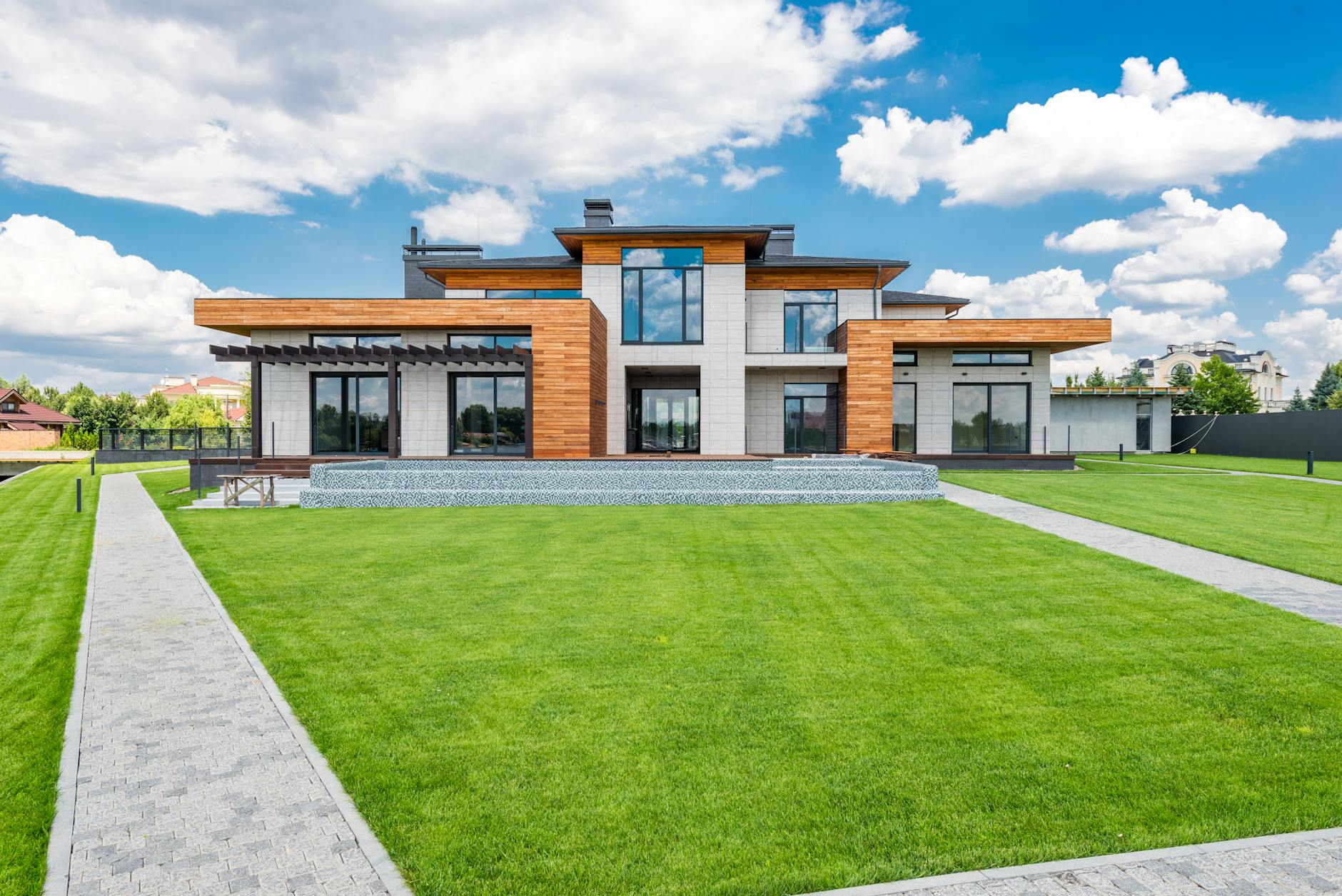
In the ever-evolving Melbourne housing market, it's crucial to keep a finger on the pulse of key trends impacting residential construction. As a construction project manager based in Brisbane, I've seen firsthand how trends can shape planning and execution. One significant trend is the rise of display homes Melbourne. These model homes offer potential buyers a tangible way to explore designs and layouts, essential for those making critical decisions in bustling areas. It's worth exploring how features from Brisbane's eco-friendly homes in Paddington can be integrated into these display units, providing a sustainable edge that appeals to environmentally conscious buyers.
Another interesting trend is the growing interest in Mt Atkinson display homes. This area has become a focal point for developers due to its potential for expansive projects. These display setups not only inform potential buyers but also allow builders to showcase construction innovations that echo the advancements displayed at Brisbane's South Bank.
Lastly, the trend towards display homes Gisborne highlights the shift back towards suburban tranquillity. Potential buyers often seek homes that blend modern conveniences with more traditional, spacious living environments. Recognizing these preferences can help construction teams create versatile living spaces that cater to both modern urbanites and those longing for a more relaxed lifestyle.
Spotting Opportunities in Emerging Areas
Hotspots in Melbourne
As a construction project manager based in Brisbane, I'm constantly seeking house and land package Melbourne options. Melbourne's rapidly changing landscape requires a keen eye for potential opportunities, especially in emerging areas. Areas like Mt Atkinson and Point Cook have become focal points due to their growth prospects and accessibility. These localities not only offer promising investment avenues but align with one's passion for practical yet innovative home designs.
If you're overseeing residential projects, it's crucial to explore these Melbourne submarkets where government infrastructure plans are underway. This ensures growth and development, adding value to investments. Moreover, establishing connections with eco-friendly home builders, similar to those in Paddington, could enhance sustainability appeal in your projects.
Forecasting Regional Growth
When looking at market potential, studying regional growth trends is essential. Monitoring demographic shifts can reveal the types of properties in demand. For instance, younger families might be eyeing the space that cheap house and land package options provide. Meanwhile, familiarising oneself with South Bank's construction innovations can offer insights into future-ready housing solutions.
Having a grip on areas projected for economic boom or transport development ensures high returns on investment. Focusing on places poised for infrastructure advancements can offer a competitive edge in delivering projects that align with future demands. Integrating this knowledge helps negotiate land packages that promise long-term value and creative freedom.
Customization Potential for Projects
Flexible Home Layouts
As a construction project manager, I recognise the importance of offering flexible home layouts to meet diverse client needs. When exploring options in new homes Melbourne builders, flexibility is often a top concern. Many buyers today are looking for homes that can adjust to changing family dynamics. I recommend exploring open-concept designs that easily transition between communal and private spaces, which can significantly increase the home's adaptability over time.
Integrating Smart Home Technology
Integrating smart home technology is another area of interest, offering homeowners convenience and energy savings. In my own projects, I have seen how incorporating automated systems for lighting, temperature control, and security systems can enhance the value and appeal of new homes. Examining innovations showcased at South Bank, I find staying updated on the latest technology trends crucial for offering clients attractive, modern living solutions.
Balancing Aesthetics and Function
Balancing aesthetics with functionality is an art that requires careful planning. When designing Point Cook display homes, I think about how materials, layout, and design features work together to create a harmonious environment. It’s not just about choosing visually appealing elements but also considering their practicality and maintenance requirements. Drawing inspiration from eco-friendly homes in Paddington, we can create spaces that are both beautiful and efficient, maximising their potential for future customisation.
Creative Solutions for Cost-Effectiveness
Selecting Affordable Materials
In the quest for cost-effective solutions, the choice of materials plays a pivotal role. Opting for affordable yet durable materials is essential, especially in the Melbourne housing market. Innovative materials like recycled steel and composite wood not only reduce costs but also align with the growing demand for sustainability. These materials are gaining popularity, akin to the eco-friendly homes in Paddington which emphasize both cost-effectiveness and environmental consciousness. By incorporating these materials, we can achieve high-quality constructions without stretching budgets.
Streamlining Construction Processes
Efficiency in construction processes can significantly reduce overall expenses. Utilising pre-fabricated components can expedite building timelines, cutting down on labor costs while ensuring precision. Off-site construction techniques, similar to those seen in the Brisbane Riverwalk developments, provide an excellent model for minimising on-site work and mitigating weather disruptions. Additionally, digital tools for project management further streamline operations, allowing for better resource allocation and project monitoring.
Maximizing Space and Utility
Innovative design that maximizes space enhances both functionality and value. Emphasising open floor plans and multi-purpose rooms can make homes more adaptable to changing needs, such as those found in the evolving concept of display homes Tarneit. Incorporating clever storage solutions and energy-efficient fittings not only increases utility but also aligns with modern preferences for practical, customised living spaces. For instance, opting for a clever house and land package can help manage costs by blending efficient design with personalisation. By prioritising these innovative approaches, we can achieve a balanced, cost-effective construction outcome.
Avoiding Common Mistakes in Construction
Ignoring Future Market Trends
While working on projects in the vibrant Melbourne market, it's essential to keep a keen eye on emerging trends. Residential project managers, particularly those with insights into Brisbane developments like the innovative South Bank precinct, understand the value of forward-thinking. Failing to anticipate shifts such as the rising interest in eco friendly homes Paddington can limit a project's long-term profitability and appeal. Keeping tabs on evolving demographics and preferences allows for timely adjustments that align with future demands.
Overlooking Local Regulations
Navigating the labyrinth of local regulations is crucial. Simply put, non-compliance can lead to significant setbacks. Familiarity with Melbourne-specific building codes, especially those relevant to areas like the Brisbane Riverwalk developments, ensures a smoother project path. Thoughtful planning includes integrating these regulations from the design phase, preventing costly redesigns and delays. This proactive approach can avoid unpleasant surprises and keep projects moving efficiently.
Compromising on Quality Standards
Skimping on quality might seem like a shortcut to save on immediate costs, but it often leads to long-term issues. Brisbane's eco-friendly housing in Paddington is a testament to the success of prioritising high standards. Opting for quality materials and workmanship not only boosts a structure's lifespan but also enhances its marketability. Strategic sourcing, even under budget constraints, ensures you achieve the best outcomes without sacrificing essential quality benchmarks.